How to Choose the Right Talit4You – An Informed Buyer's Guide
Introduction
The tallit is one of the most important symbols of Jewish identity: a sacred prayer garment worn during important moments of the day and year: daily prayers, Shabbat, holidays, and even weddings. Today, with the wide variety of tallits available on the market, choosing the right one isn't always easy. In this article, we'll review all the factors to consider before buying a tallit, from a halakhic, aesthetic, and personal perspective.
Types of Tallit – Not Just Wool
The material of the tallit influences not only its appearance and feel but also its kashrut:
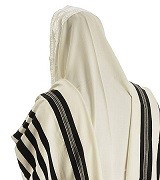
Wool Tallit (Rachel Wool): The most common and elegant. It is considered the tallit that fulfills the mitzvah of mehadrin (careful observance of the customary law).
Cotton tallit: Lighter and more pleasant to the touch, particularly suitable for warm climates, but less recommended by most rabbinic authorities. Silk tallit: Beautiful and luxurious, but generally considered less elegant according to Halakha.
Synthetic tallit: Less expensive and easier to clean, but generally discouraged according to Halacha.
Besides the material, it is important to check the quality of the stitching, the thickness of the fabric, and its durability, especially if it is a tallit worn daily and not just for holidays.
Tallit size: Which tallit fits your measurements? Tallits come in different sizes, and the choice depends on personal preference and the wearer's comfort:
Small tallit (for children or bar mitzvahs): generally 110 x 130 cm
Standard size tallit: fits most adults: 150 x 185 cm or 140 x 185 cm
Wedding or ceremonial tallit: particularly large, generally larger than 150 x 185 cm
A good method for measuring: stand in front of a mirror wearing the tallit, measure it, and check that it covers your shoulders and reaches down to your knees. Generally, the tallit should cover at least most of the body.
Stripes on a tallit: black, blue, or silver?
The stripes on a tallit are not just for decoration. They have historical and symbolic significance. Black stripes are the most common, but today you can also find:
Blue striped tallits, a nod to the color of the historical Tekhelet.
Silver or gold stripes, mainly on ceremonial or bridal tallits. A completely white tallit is particularly popular in the Sephardic community.
This choice is both a matter of style and tradition. It is advisable to adapt the color of the stripes according to personal preference, but also according to family customs.
Tzitzit: Double-knotted or handmade?
Tzitzit are the main element of the tallit. It is important that they be kosher, but also the type of knot and the level of elegance:
Machine-woven wool tzitzit: the knot is machine-made, kosher according to rabbinic rites, but without embellishment.
Handmade tzitzit: crafted with great refinement.
Tying methods: There are differences between Ashkenazi, Sephardic, Yemeni, and other communities.
On the Talit4You website, you can order a tallit with personalized tzitzit according to your wishes.
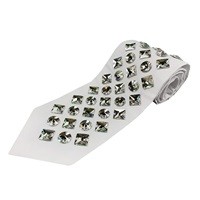
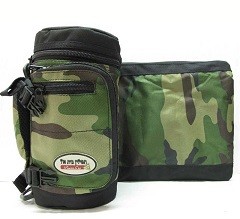
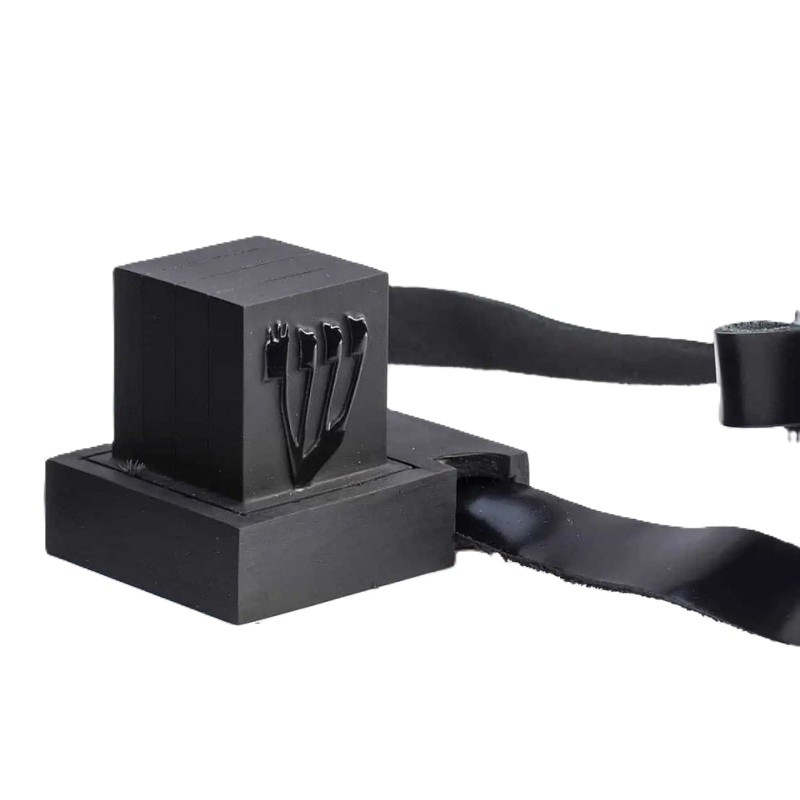
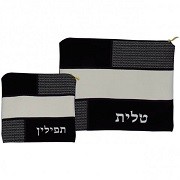
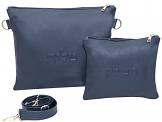
The groom's tallit: what are its special features? The groom's tallit is more than just a garment: it symbolizes a new life steeped in tradition. A wider and more elegant tallit is generally chosen, adorned with an embroidered name for the groom, accompanied by a matching pouch and unique straps. This item will accompany the groom throughout his life; therefore, it is recommended to invest in the right model, without compromise.
Tallit care tips:
To preserve your tallit for a long time:
Fold it after each use.
Air it out from time to time.
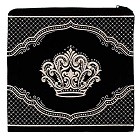
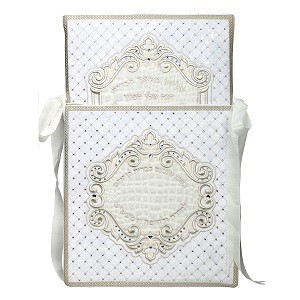
It is recommended to store it in a pouch or a ventilated tallit cover.
Dry clean only; wool tallits are not machine washable.
In conclusion:
Choosing a tallit is both a personal and spiritual decision. The material, the size, the color, the tassels: every detail matters. At Talit4You, we invite you to browse our website, discover our wide selection of elegant tallits, choose a style that reflects your personality, and receive the perfect tallit, delivered quickly to your door.

 (1).jpg)
 (1).jpg)


2 (1).jpg)
.jpg)
.jpg)

.jpg)
 (1).jpg)

17 Comments
The site follows up with second, third, and fourth-deposit bonuses, worth up to $500, $1,000, and $2,000, respectively.Because transactions run through local banks, there are no card details to share and no waiting for payments to clear. However, your bank or the casino might apply a small transaction fee when you make a deposit.PayID deposits are fast, convenient, and highly secure.Top PayID online casinos in Australia ensure that deposits made via PayID qualify for their attractive welcome bonuses.No deposit bonuses are highly sought-after at PayID online casinos.Operating within the NPP framework, it offers the same level of protection as online banking or debit card payments, making it a trusted option for secure deposits and withdrawals.E-wallets like PayPal may charge, but PayID integrates directly with Australian banks for lower costs.Traditional bank transfers can take days, while PayID is instant with no fees. Powered by providers like Evolution Gaming and Pragmatic Play Live, these games feature real human dealers streamed in real-time from professional studios.Blackjack tables, in particular, are a highlight at sites like Casinonic, offering options candy96.fun like Classic Blackjack, European Blackjack, and Multi-Hand Blackjack for varied gameplay.Powered by providers like VoltEnt, Microgaming, and Pragmatic Play, these sites ensure fair play and high RTPs.This cashback is credited as bonus funds, subject to wagering requirements.Here’s why PayID is a top choice for Australian casino players.Backed by major Australian banks, this widely adopted payment system is supported by over 80 financial institutions.Neospin, Skycrown, and the rest of our top Aussie PayID casinos are reliable, have huge game libraries, and speed — everything you’d expect from the best PayID casinos in Australia.And with standard wagering requirements attached, if you have deep pockets, this is pretty much the perfect bonus for you.Whether you’re looking for bonus buy options like Sugar Rush 1000 or Megaways hits like Aztec Magic Megaways, Neospin has you covered. Our content is for informational/entertainment purposes only – NOT financial, legal, or gambling advice.Blackcoin.co a fully independent review platform with no ownership ties to any casino operator or software provider.Banks can often request return of funds if the transaction is recent and the recipient hasn’t processed the payment.Your bank also typically processes PayID transfers without additional charges, though standard transaction limits apply.
Установка забора прошла без сюрпризов, все столбы стоят строго по уровнюhttps://snaplinks.me/ramonitamacghe
Hi! Do you know if they make any plugins to assist with SEO? I\'m trying to get my blog to rank for some targeted keywords but I\'m not seeing very good gains.If you know of any please share. Many thanks!solución hongos en las uñas
Dresden Motors — это бренд, которому доверяют тысячи водителейhttps://url55xx.com/wayneurner548
Редко встретишь такое содержательное интервью в глянце.Повороты в карьере Виктории действительно впечатляют.https://bizsiteo.in/onanash2142384
Подскажите, какая сейчас актуальная цена на брекеты в Волгограде,планирую ставить в ближайшее время.http://360virtueller.de/author-profile/bradley79u1379/
Печать на ковриках для мыши яркая,запаха резины почти нет,мышка скользит просто идеально.https://redirectminia.site/fatimamungo047
Very valuable read. Nice points. I will surely bookmark this for later.Very interesting topic.Link Building Strategy
Понятный интерфейс в тг, разберется даже бабушкавпн для телевизора смарт тв
Пользуюсь всей семьей, все довольны скоростьюvpn бот в телеграм
Соблюдение параметров ГОСТ 33781-2016 при производстве картонной тары напрямую влияет на сохранность товара в логистической цепочке. Стандарт строго регламентирует физико-механические показатели: сопротивление сжатию, прочность при разрыве и влагостойкость материала.Для пищевой продукции и товаров народного потребления важно, чтобы картон не только держал форму, но и соответствовал санитарно-гигиеническим нормам. Выбор марки картона по ГОСТ 33781 позволяет минимизировать процент брака при штабелировании на складах.Правильный расчет толщины стенок и клапанов пачки гарантирует, что упаковка не расклеится при повышенной влажности или механическом воздействии.https://gitea.alacloud.de/zoenunez35580
Лимитов по трафику нет, смотрим фильмы пачкамилучший vpn для youtube
Не ожидал, что она сама поет свои демки, чтобы передать правильные интонации артистам.https://mimrent.com/author/connieernest38/
Удобно платить картой любого банка РФvpn vless для windows
Бот выдал ключ мгновенно после оплатычебурнет впн отзывы
Скорость за эти деньги просто супервпн для телевизора смарт тв
pouvez vous me dire a quoi correspond les taille adulte talit katan avec fils bleu 8? 9? ET 10 ?
Merci
et en combien de temps pouvez vous me livrer en france
merci